School Titling Program
Accomplishment Report — Securing Land Ownership for Public Schools Across Gingoog City
School Sites Processed
| No. | School ID | Name of School | Remarks |
|---|---|---|---|
| Schools with Deed of Donation | |||
| 1 | 128078 | Tinulongan Elementary School | With technical description; Deed of Donation is on process |
| 2 | 128038 | Odiongan Central School | On process |
| 3 | 128071 | Mimbuntong Elementary School | On process |
| 4 | 128037 | Maribucao Elementary School | With technical description; Deed of Donation is on process |
| 5 | 128044 | Tagdaging Elementary School | On process |
| 6 | 128039 | Pandacdacan Elementary School | With technical description; Deed of Donation is on process |
| Schools within Ancestral Domain — Certificate of Ancestral Domain Title (CADT) | |||
| 1 | 500800 | Dukdokaan Integrated School | With renewed usufruct with technical description; facilitated by NCIP-Gingoog City |
| 2 | 111420 | Bayawon Ta Malagwas Elementary School | — |
| 3 | 502461 | Minpakiki Integrated School | — |
| 4 | 111092 | Sagu-Ilaw Ta Kabuka Elementary School | — |
Strategic Push for School Site Titling in 2026
For the Schools Division of Gingoog City, ensuring quality education goes beyond classrooms and curriculum — it begins with the land beneath every school. In a division composed of 97 schools, only eight currently stand on land officially titled under the Department of Education. The remaining sites, though actively serving learners, still require legal processing, negotiation, and transfer of ownership to secure their status for the future.
Faced with this reality, SDO Gingoog did not approach the challenge in fragments. Instead, it launched a systematic and data-driven School Titling Program — an initiative rooted in clarity, coordination, and long-term vision.
The first step was understanding the full picture. Each school site was carefully assessed and categorized based on land ownership, land classification, and the availability of legal documents. This detailed profiling revealed a diverse landscape: some schools are situated within Certificate of Ancestral Domain Title (CADT) areas and timberland zones, others lie on Alienable and Disposable (A&D) lands donated by private stakeholders, while several operate on properties owned by the Local Government Unit.
This classification was more than an inventory — it became the backbone of the division's strategy. By identifying the legal and technical nuances of each category, SDO Gingoog was able to tailor its approach to the specific requirements of every school site. Schools within ancestral domains required respectful engagement with Indigenous Peoples and community elders, while A&D lands demanded thorough documentation and compliance with regulatory standards. LGU-owned sites called for formal negotiations and transfer agreements.
Recognizing that land titling is a shared responsibility, the division actively fostered collaboration through a series of consultative inter-agency meetings, community dialogues, and workshops focused on the legal and technical aspects of school site titling. The division maintains active oversight of ongoing processes, tracking progress, addressing bottlenecks, and ensuring that each school site steadily moves toward ownership under DepEd.
In 2026, SDO Gingoog has taken an even more aggressive stance. Building on the foundations laid in previous years, the division has intensified its efforts by conducting a broader series of activities aimed at accelerating the titling process.
School Sites Donated by Private Stakeholders
Strategic Planning, Coordination, and Bottleneck Resolution
The activity was attended by the CO–STO led by Engr. Rajihe H. Sangcopan, together with School Heads, Administrative Officers, City Local Government Operations Officer Mr. Rey Gilbert Capricho, Barangay Captain Maria Cristina Dumaloan, and Division Office Personnel led by ASDS Myron Gil D. Talosig, CESE.
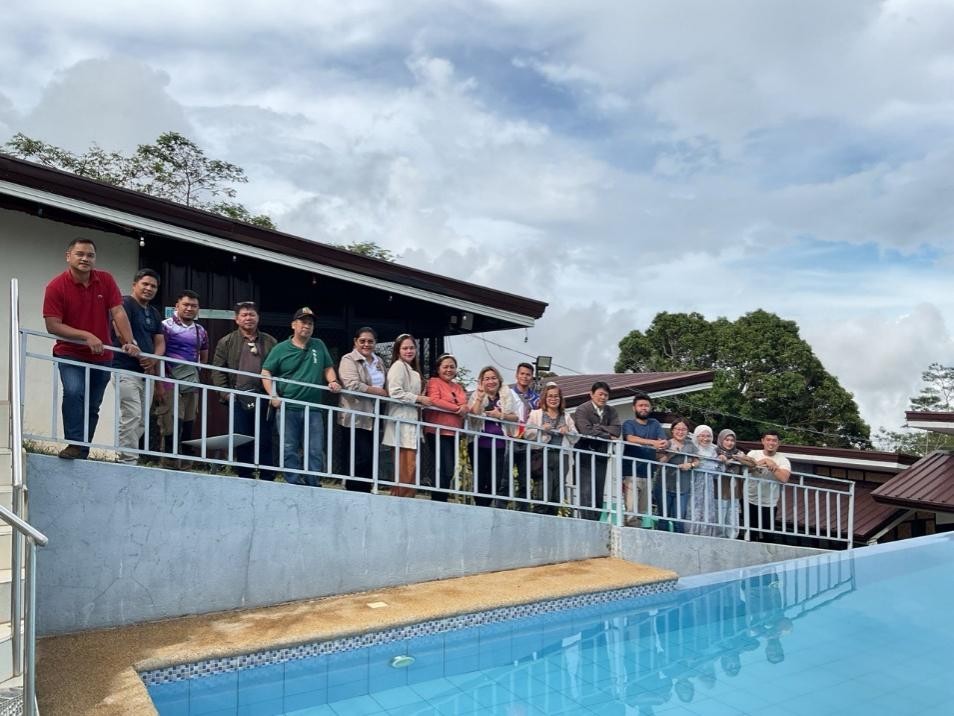
The activity started with a discussion on the importance of the School Titling Program in securing land ownership of public schools. During the planning session, participants reviewed the status of school titling and identified schools needing immediate action. They also discussed how different offices can work together to complete requirements and speed up the process.
In the bottleneck resolution session, participants shared problems encountered — such as missing documents, boundary issues, and delays in processing. Possible solutions were agreed upon, including assigning responsible people, improving coordination, and setting timelines. The activity concluded with a commitment from all participants and clear assignment of duties.
Inter-Agency Consultative Meeting Strengthens School Site Titling Efforts
The activity gathered representatives from key government agencies including the Bureau of Internal Revenue (BIR), represented by Dante C. Velayo and Laina Rose C. Pacalangot; the Department of Environment and Natural Resources (DENR), represented by Ms. Marites M. Enerio; the Assessor's Office, represented by Ms. Maria Corazon Cezar; and Atty. Glen Dale Rodriguez, Department Head of the Registry of Deeds. Also present were school heads, Public Schools District Supervisors, the CO-Sites Titling Office headed by Engr. Rajihe Sangcopan, and concerned office personnel headed by SDS Edgardo V. Abanil, CESO V.
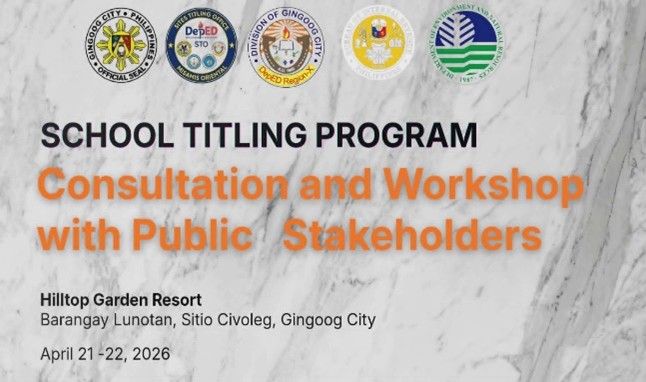
The consultative meeting served as a venue for discussing the technical and legal frameworks governing the titling of school sites donated by private entities. Participating agencies presented their respective mandates, documentary requirements, procedures, and legal bases. Issues discussed included incomplete land documents, inconsistencies in tax declarations, verification of land classifications, transfer taxes, and compliance with documentary requirements related to donated properties.
The activity concluded with participating offices reaffirming their commitment to continue working collaboratively in streamlining processes and providing technical assistance to schools with pending site titling concerns.
Signing of the Deed of Donation
Pandacdacan Elementary School held the Signing of the Deed of Donation for its school site. The event was attended by the School PTA, Barangay Council, Heirs of the Donee, and leaders from the Schools Division Office of Gingoog City. The Heirs formally executed the donation, witnessed by community leaders and Division officials.
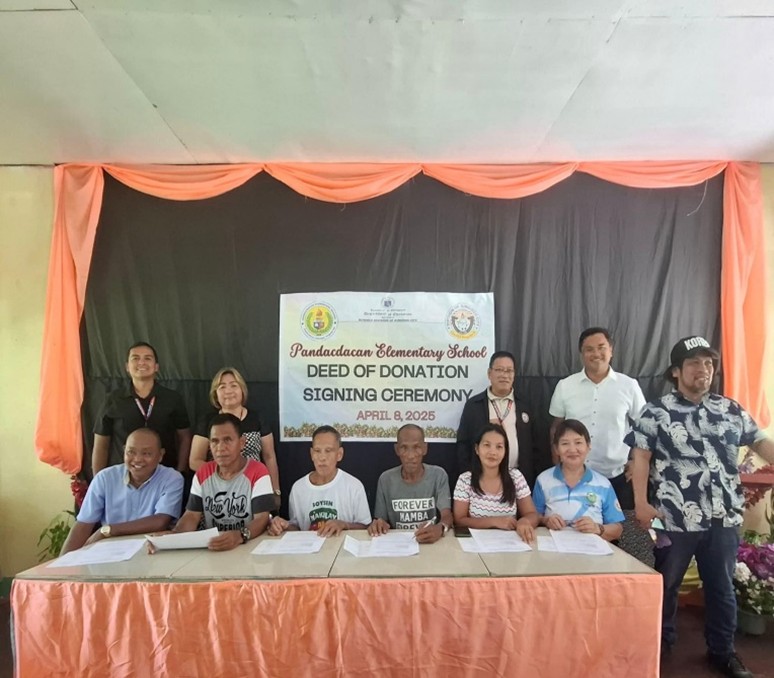
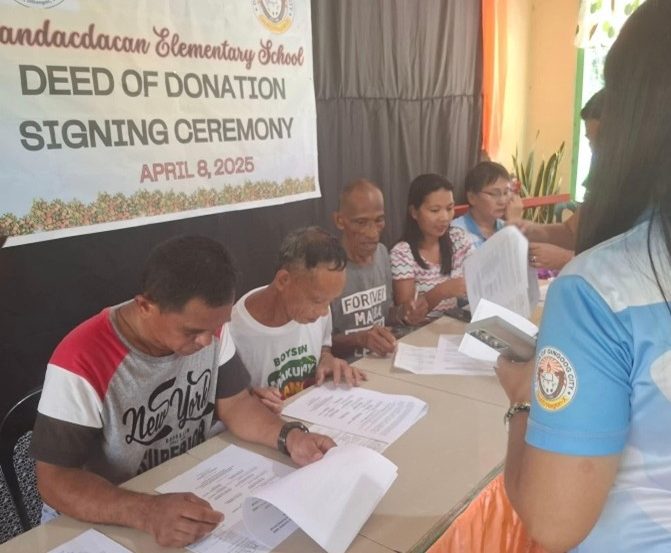
The successful signing of the Deed of Donation marks a historic milestone for Pandacdacan Elementary School, strengthening the partnership between the school, local government, and the Department of Education.
School Sites Within CADT-Covered and Timberland Areas
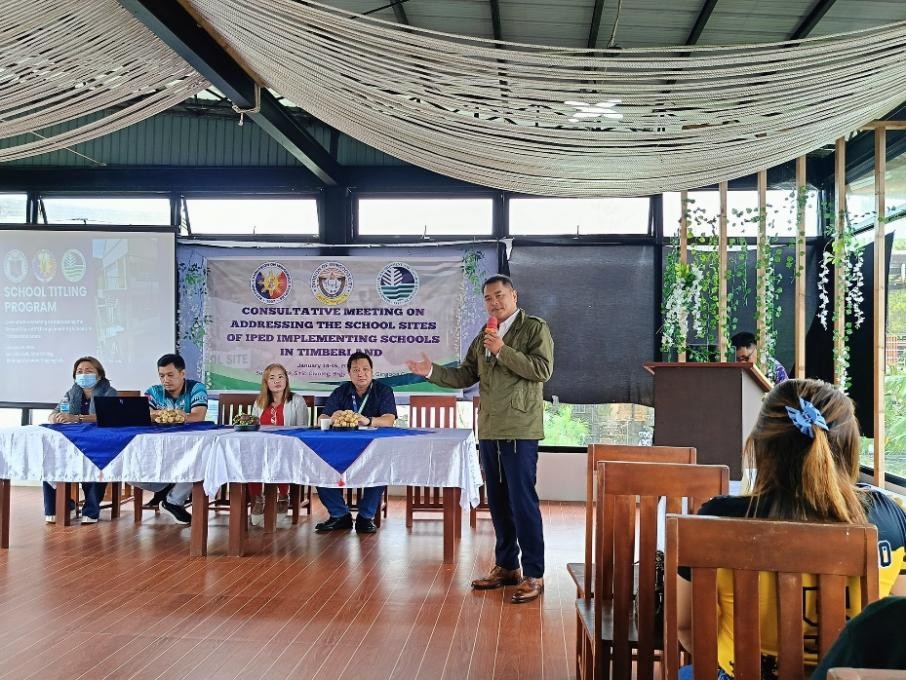
Consultative Meeting — IPED Schools in Timberland Areas
The meeting was led by representatives from DENR headed by CENRO Jamel A. Tiburon; NCIP Extension Office represented by Mrs. Kenjie Baduco; and the DepEd Central Office–School Titling Unit led by Engr. Rajihe Sangcopan. Discussions focused on clarifying the legal and administrative status of school sites in timberland areas, particularly those implementing the IPED program.
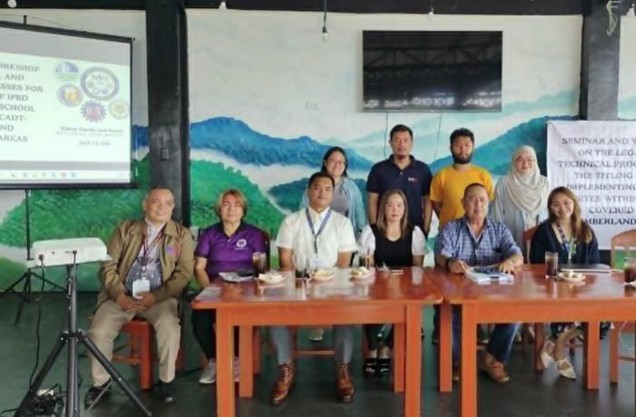
Seminar and Workshop — Legal and Technical Processes for IPED School Site Titling
The two-day activity gathered School Heads and Administrative Officers II from all IPED implementing schools to strengthen understanding and coordination on the legal and technical requirements for the titling of school sites situated within ancestral domain and timberland areas.
The activity was graced by representatives from the Department of Environment and Natural Resources (DENR) and the National Commission on Indigenous Peoples (NCIP). Leading the DENR delegation were Assistant Regional Director Ronald D. Gadot Sr., Atty. Mariane M. Bulasa, and CENRO Jamel Tiburon, while NCIP was represented by Mrs. Kenjie R. Baduco.
A significant highlight was the in-depth discussion on the technical processes involving the metes and bounds of ancestral domains and timberland areas. As an output, the concerned agencies agreed to immediately schedule the conduct of GIS Mapping for all affected IPED implementing schools.

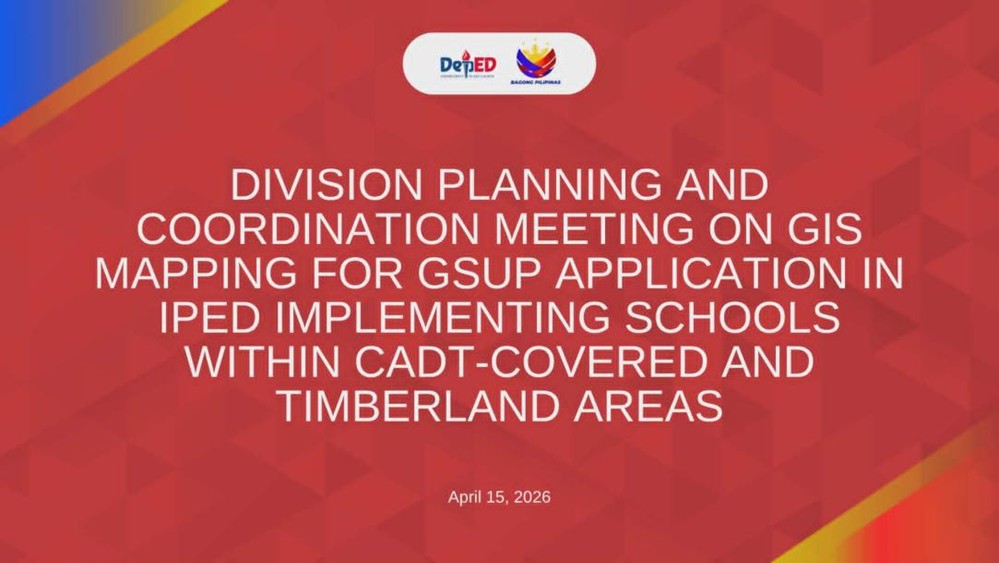
Division Planning and Coordination Meeting — GIS Mapping for GSUP Application
The consultative meeting gathered school heads, Public Schools District Supervisors, and non-teaching personnel. PSDS Landy V. Mandahinog discussed the overall objectives and operational framework, emphasizing the importance of establishing effective communication and collaboration with IPED communities. ASDS Myron Gil D. Talosig presided over the meeting, emphasizing the critical role of GIS mapping in the successful implementation of the GSUP application.
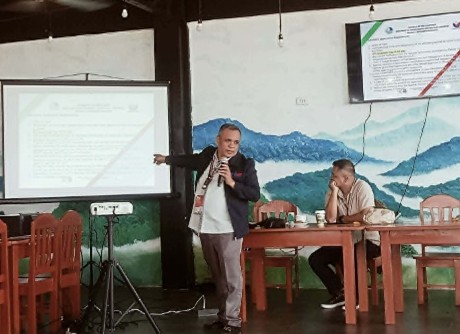
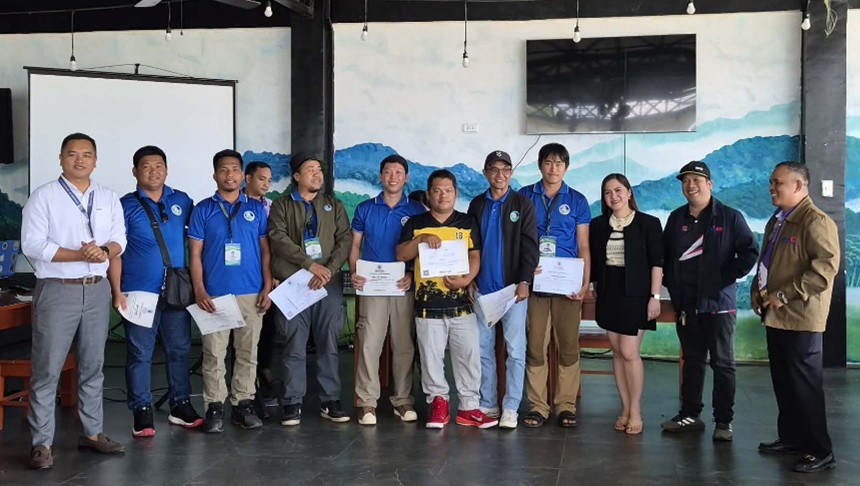
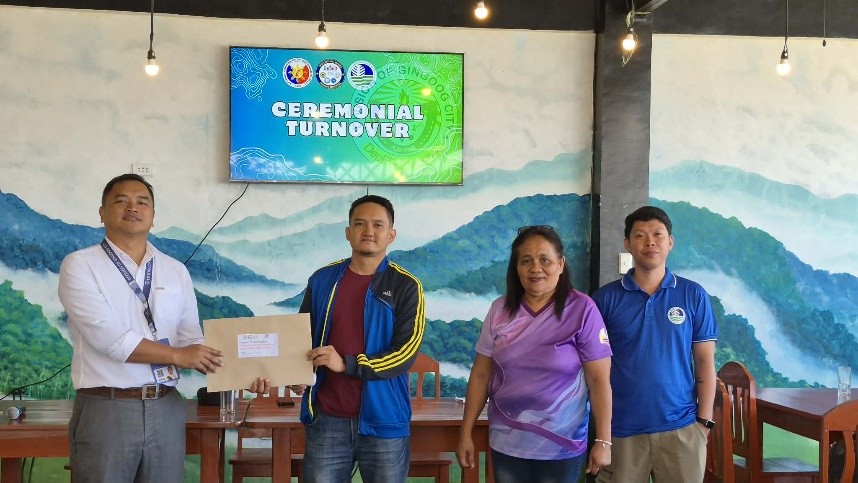
GIS Map Turnover — A Story of Partnership and Purpose
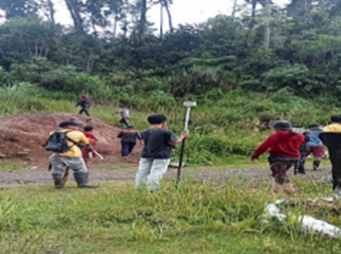
While the turnover of GIS maps marked the highlight of the event, what truly stood out was the exchange of stories behind the data. Participants openly shared the challenges they encountered during mapping activities — from navigating difficult terrain to ensuring accurate and respectful documentation of ancestral domains. A key factor in the success of the mapping process was the effort to connect with tribal communities and stakeholders even before the actual survey began.
The GIS maps represented more than geographical data — they symbolized the relationships built and the shared commitment to serve indigenous learners better. The successful turnover was made possible through the strong partnership among DENR, DepEd, and NCIP.
Kabuka Elementary School — Last Mile, Lasting Impact
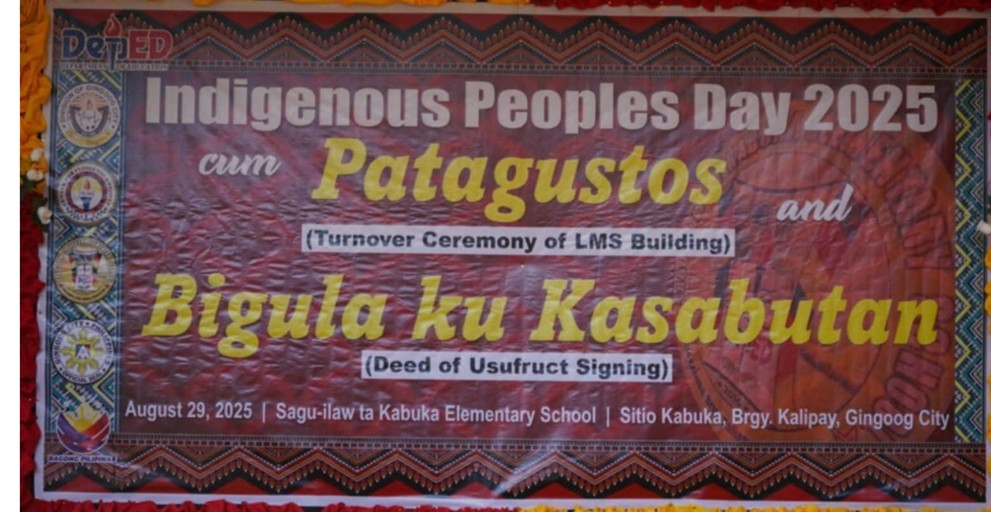
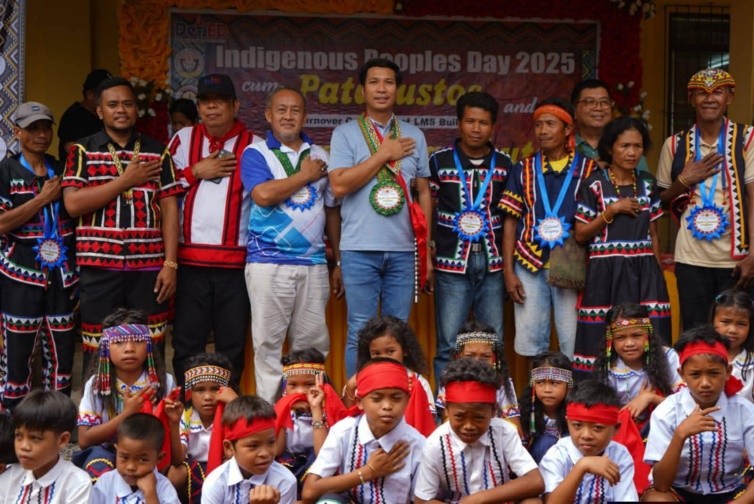
Kabuka Elementary School stands as a symbol of hope and commitment to accessible education in Sitio Kabuka, Barangay Kalipay, Gingoog City. Recognized as one of the schools under the Last Mile Schools Program, it was established to address the educational needs of learners in geographically isolated and disadvantaged areas.
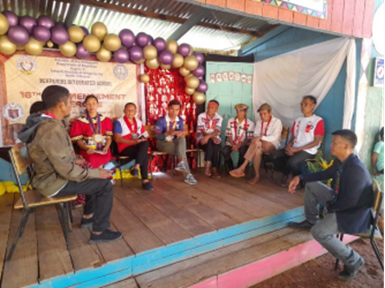
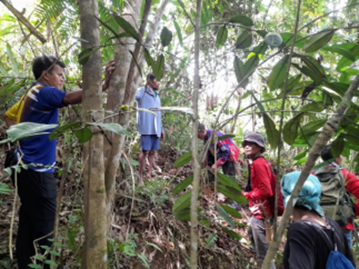
Minpakiki Integrated School — Ancestral Domain Partnership
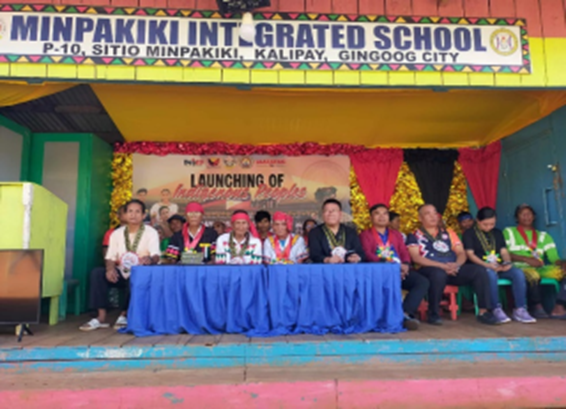
Balay Ha Tagnauwan Ta Bayungon ES & Dukdokaan Integrated School
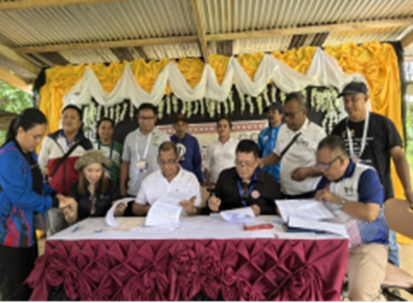
Deed of Usufruct Signing — Bayawon ta Malagwas Elementary School
The Deed of Usufruct Signing for Bayawon ta Malagwas Elementary School is a historic milestone for the Indigenous People (IP) community of Sitio Malagwas, Barangay Kalipay. The event symbolized the community's unified commitment to secure a permanent and culturally respected school site within their ancestral domain. This initiative aligns with the mandate of Republic Act 8371 (Indigenous Peoples' Rights Act).
First Party — The Damitan Clan
- Datu Litumbagan Rodario Damitan
- Datu Bugabunan Fernando Damitan
- Yamay Damitan
- Datu Tugam-a Ruben Damitan
Second Party — Department of Education, Gingoog City SDO
- SDS Edgardo V. Abanil, CESO V — represented by Mario J. Endrina, EPS-SGOD
Other Stakeholders Present
- Gingoog City LGU — represented by Councilor Evelyn G. Cañosa
- Rosemarie M. Abutan, City IP Coordinator
- Datu Manlindahay Fidelino S. Mandahinog Sr.
- Datu Sinangonan Estoriano S. Mandahinog
- Datu Bernabe Sin-ingan
- Datu Dalisayan Dario M. Sin-ingan
- Brgy. Captain Ruel P. Mantantuan
- Brgy. Kagawad Namie O. Temple
- Brgy. Kagawad Nelson Q. Mandahinog
- Brgy. Kagawad Defrank Benhayon
- Brgy. Kagawad Engeland S. Zabala
- Brgy. Kagawad Fidelino D. Mandahinog Jr.
- NCIP Gingoog Service Center — Mrs. Erenita Bacala
- DPWH-MOFDEO — Engr. Ricky G. Anajao & Engr. Iphraim V. Baranggan
- PSDS Landy V. Mandahinog, Division IPEd Focal Person
- EPS Jocel D. Bernados, Rodel K. Quitat, Julius Lagumbay, Marlon E. Balansag, Jolly M. Hospital, Elvie P. Mantantuan
- Parents, teachers, learners, and community members of Sitio Malagwas
The program began with a solemn Singampu, a traditional Higaunon prayer, led by Datu Manlindahay Mandahinog and Datu Alfredo Salingsing. This ritual set the tone for the entire activity, invoking guidance, peace, and unity. During the Statement of Purpose, EPS Jocel Bernados provided clarity on the importance of securing a Deed of Usufruct within ancestral domains.
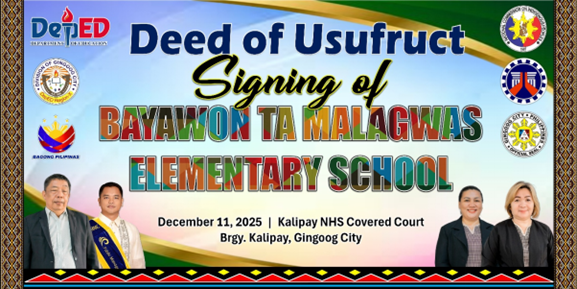
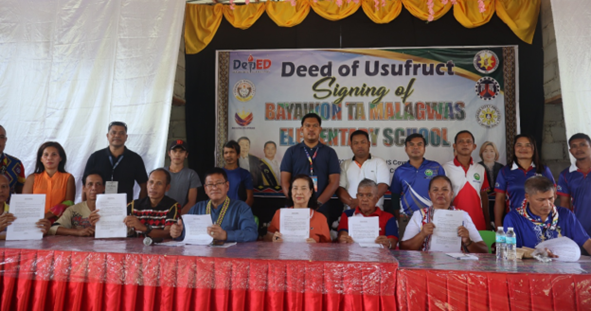
The Damitan clan's donation of 4 hectares of ancestral land demonstrated extraordinary generosity and commitment to the future of the youth. The signing of the Deed of Usufruct marks a profound milestone — more than a legal document, it is a symbol of trust, unity, and shared aspiration between the Higaonon community and the Department of Education.
The Deed of Usufruct was officially signed and notarized, serving as concrete legal proof of the IP community's consent to allocate a parcel of their ancestral land for educational use. The collaboration among NCIP, DPWH, LGU, DepEd, and the IP community showcased strong inter-agency partnership supporting educational development.